What is a Mobile Power Inverter and How Does It Work?
A Mobile Power Inverter is an essential device for anyone seeking off-grid electricity. It transforms DC power from batteries into AC power, allowing various electronics to be powered. Imagine camping in the wilderness. You want to charge your phone, run a small fridge, or even power tools. This is where a mobile power inverter shines.
Functionality is key. Mobile power inverters come in various sizes, offering different wattage outputs. Users must consider their energy needs before purchasing. An inverter that is too small may not handle the required load. Conversely, an overpowered inverter may waste energy and money.
Understanding how a mobile power inverter works involves grasping concepts of voltage, wattage, and efficiency. While many manufacturers promote their products' reliability, not all inverters are created equal. Researching reputable brands can prevent costly mistakes. It's vital to find trustworthy information when selecting the right inverter for your needs.
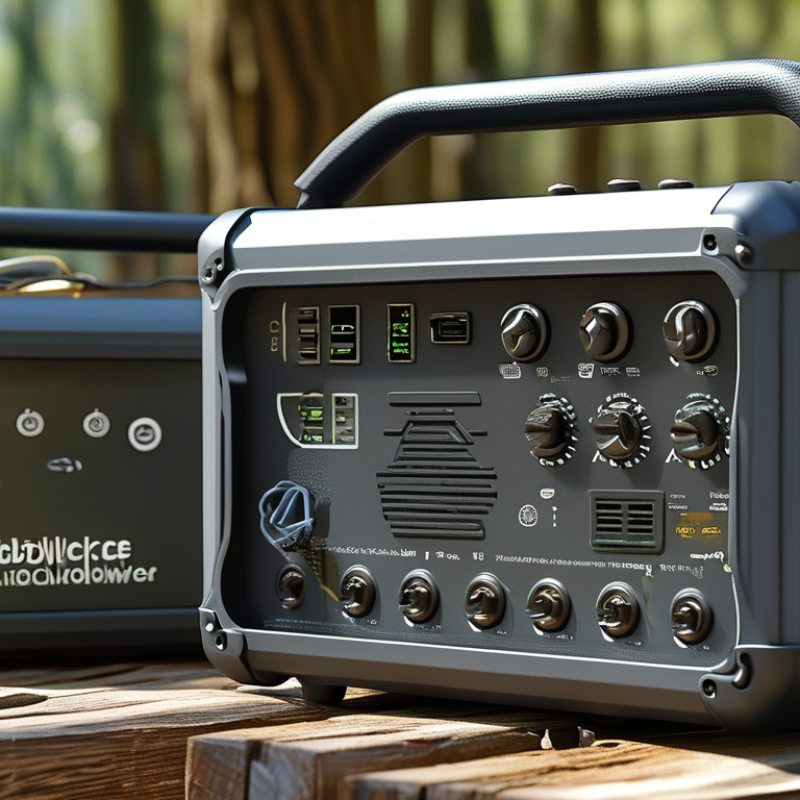
What is a Mobile Power Inverter?
A mobile power inverter is a device that converts DC (direct current) electricity from batteries into AC (alternating current) electricity. This allows you to power devices that require standard wall outlet electricity, making it an essential tool for camping, tailgating, or emergency situations. Mobile power inverters come in various sizes and capacities, catering to different power needs.
When using a mobile power inverter, ensure it matches the wattage requirements of your devices. Overloading the inverter can cause it to shut down or even damage your equipment. Pay attention to the inverter's specifications to select the right one. Many inverters have built-in safety features, but relying solely on these can lead to surprises.
Consider the type of power ports you need. Some inverters have USB ports, while others feature multiple AC outlets. This versatility allows you to charge phones, laptops, and other gadgets simultaneously. If you're connecting delicate electronics, choose an inverter with a pure sine wave output for safer operation.
It's also a good idea to keep the inverter in a ventilated space during use. Heat buildup can affect performance. Monitor the inverter's temperature and avoid covering it with anything. Keeping it too close to other heat sources may lead to inefficiencies. Being aware of these details can greatly enhance your experience with mobile power inverters.
What is a Mobile Power Inverter and How Does It Work?
| Feature |
Description |
| Definition |
A mobile power inverter is a device that converts DC power from a battery or other source into AC power usable by household appliances. |
| Types |
Modified sine wave and pure sine wave inverters, differing in the quality of output AC power. |
| Applications |
Used for powering electronics in cars, RVs, boats, and during outdoor activities. |
| Power Ratings |
Typically rated in watts, indicating the maximum load they can support. |
| Key Components |
Includes a circuit board, transformer, and connectors for batteries and output devices. |
| Efficiency |
Efficiency rates can vary, generally between 80% to 95%, depending on the inverter type. |
Key Components of a Mobile Power Inverter
Mobile power inverters are essential for converting DC power from batteries into AC power, which is usable by most household devices. The key components of a mobile power inverter include the inverter circuit, transformer, and cooling system. The inverter circuit manages the conversion process, while the transformer enhances the voltage. Effective cooling is vital, as inverters can generate significant heat during operation.
According to a report by the International Electrotechnical Commission, the efficiency of inverters can significantly affect energy consumption. High-quality inverters can achieve efficiencies of over 90%. However, many inexpensive models may struggle to maintain efficiency, leading to wasted energy. Thus, users must consider quality as a priority.
Also noteworthy is the balance between size and power output. A mobile power inverter's design needs to be compact yet robust enough to support various electrical loads. Some users may find that the portability compromises durability. Although convenience is a goal, reliability is equally important. Finding this balance is often a challenge for manufacturers and consumers alike. Invariably, this complexity can lead to reflections on what aspects are most critical for their specific needs.
How Mobile Power Inverters Convert DC to AC Power
Mobile power inverters are essential devices that convert direct current (DC) from batteries into alternating current (AC), making it usable for everyday electronics. They play a crucial role in many applications today, from providing energy on camping trips to supporting power tools in remote job sites. According to industry reports, the global inverter market is projected to reach USD 12 billion by 2025, demonstrating a growing reliance on these devices.
The process of conversion begins with the inverter receiving DC input. It uses electronic components like transistors and transformers to rapidly switch the current on and off. This action generates an AC waveform. Typically, inverters produce either modified sine wave or pure sine wave output. Modified sine wave inverters are cheaper, yet they can cause overheating in some devices. Pure sine wave inverters, while more expensive, deliver cleaner power, making them a better choice for sensitive electronics.
Despite their usefulness, mobile power inverters are not without flaws. Inconsistent output quality can affect the performance of connected devices. Overloading the inverter can lead to overheating and potential failure. According to a recent study, up to 30% of inverter users reported issues with device compatibility. This highlights the importance of selecting the right inverter based on specific power needs. Awareness and education are vital for users to avoid pitfalls associated with under or over-utilizing these devices.
Common Applications of Mobile Power Inverters
Mobile power inverters serve a variety of practical applications, making them essential for many users. They convert DC power from sources like batteries into usable AC power. This conversion allows for the operation of household appliances anywhere, whether in an RV, during camping, or even in a power outage.
One common application is in recreational vehicles. Travelers often need to run small appliances like microwaves or laptop chargers. Mobile power inverters provide the needed energy without relying on external power sources. For outdoor enthusiasts, such as campers, these inverters can power lights and cooking devices. Festivals or tailgating events also require portable power to enhance the experience.
However, it’s important to be aware of the limitations. Not all inverters can handle high power devices. Choosing the right inverter based on the wattage requirements is crucial. Misjudging this may lead to device failures or equipment damage. Moreover, users should regularly check the inverter’s condition to ensure optimal performance. Over time, components may wear out or underperform, impacting reliability. This reflects the need for ongoing education and awareness about mobile power solutions.
Safety Considerations When Using Mobile Power Inverters
Using a mobile power inverter can be convenient, but safety must come first. When connecting devices, ensure the wattage does not exceed the inverter's capacity. Overloading your inverter can lead to overheating and potential failure. Always double-check specifications before plugging in.
Keep your inverter in a well-ventilated area. This helps prevent heat buildup. Avoid placing it near flammable materials. If your inverter shows signs of wear or damage, reconsider its use. A faulty unit can be dangerous. Regular maintenance checks are advisable to ensure everything is functioning properly.
When using a mobile power inverter, be mindful of moisture and dirt. Protecting it from extreme weather conditions is vital. Dampness can damage the unit and create short circuits. Make sure to unplug it when not in use. This simple action can prolong its lifespan and improve safety.





 Mr. Leaf