Top Mobile Laptop Charger Trends for 2026 What to Buy?
As technology continues to advance, the demand for efficient and portable power solutions grows. Mobile laptop chargers are becoming essential for today's on-the-go lifestyle. More professionals and students rely on devices that can keep their laptops charged while they travel, work, or study.
In 2026, notable trends in mobile laptop chargers will emerge. Brands are focusing on lightweight designs that do not compromise performance. Fast charging capabilities are also a priority, as people need their devices ready in less time. Many chargers now integrate safety features, ensuring devices remain protected from overheating and overcharging.
Choosing the right mobile laptop charger can feel overwhelming. With so many options available, users must consider compatibility and power output. It’s essential to select a charger that meets your specific laptop needs. Users may find that some chargers, while efficient, may have durability issues. A careful evaluation of trends can guide informed decisions in the rapidly evolving market.
Emerging Technologies in Mobile Laptop Chargers for 2026
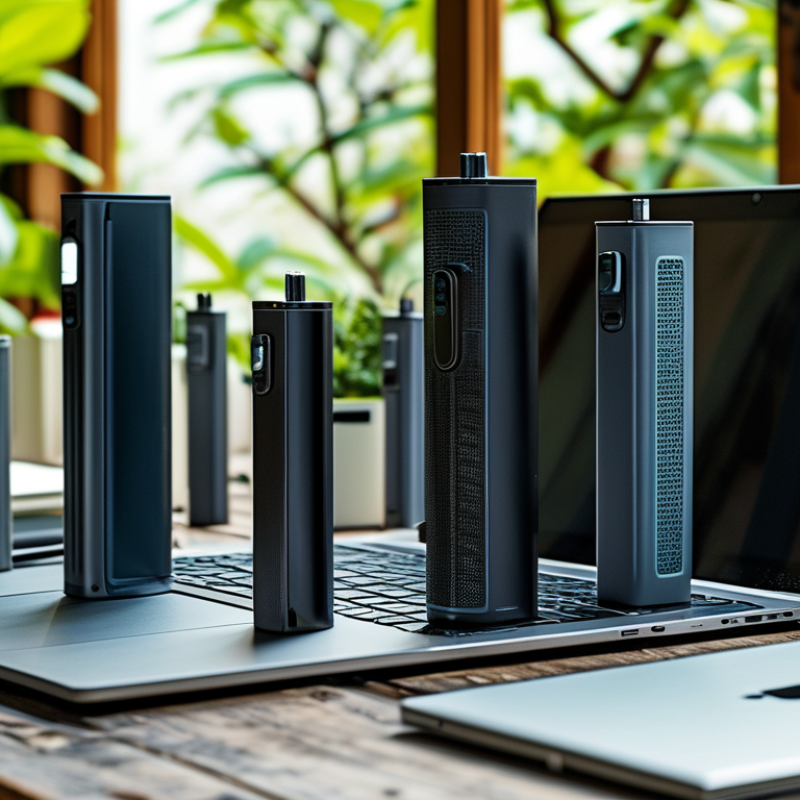
As we look toward 2026, mobile laptop chargers are on the brink of major innovation. One standout trend is the rise of fast-charging technologies. These chargers can significantly reduce the time needed to power up a device, appealing to busy users. Look for models that support rapid energy transfer and can address the growing need for efficiency. However, not all fast-charging solutions are equal. Users must consider the potential for overheating or battery wear over time.
Another exciting development is the integration of renewable energy sources. Some chargers in 2026 will harness solar power, offering a sustainable option for users on the go. This technology may not be perfect yet, and its efficiency can vary based on location and sunlight availability. Users might find such models helpful, but they should remain critical of their limitations. Balancing environmental concerns with practical use remains key as these products evolve.
Lastly, wireless charging is set to become more prevalent. Although convenient, this technology may lag in energy transfer rates. Users must evaluate whether the ease of wireless charging compensates for the slower speeds. While ideal for casual users, power users might still prefer traditional wired solutions. Conversations around these trends will help shape the future of mobile laptop chargers.
Top Mobile Laptop Charger Trends for 2026 What to Buy?
| Feature |
Description |
Expected Availability |
Price Range |
| Fast Charging Technology |
Charger designs incorporating advanced power delivery systems to reduce charge time significantly. |
Early 2026 |
$30 - $70 |
| Eco-Friendly Materials |
Use of sustainable materials and recyclable components to minimize environmental impact. |
Mid 2026 |
$25 - $60 |
| Wireless Charging Capability |
Integration of wireless technology allowing for cable-free charging experiences. |
Late 2026 |
$50 - $90 |
| Compact and Lightweight Design |
Designs that are more portable, making them easier to carry for on-the-go users. |
All of 2026 |
$20 - $50 |
| Smart Charging Features |
Chargers equipped with AI technology to optimize charging based on user habits. |
Mid 2026 |
$40 - $80 |
Key Features to Look for in 2026 Mobile Laptop Chargers
As mobile laptop chargers evolve, key features will define choices in 2026. One must consider charging speed and efficiency. Recent studies indicate that chargers capable of delivering 100 watts or more will be essential for fast charging modern laptops. Efficient power delivery can significantly reduce downtime, especially for professionals on the go.
Another crucial aspect is portability. The trend indicates a move towards slimmer and lighter designs. A charger that weighs less than one pound could enhance mobility. Moreover, the demand for environmentally friendly materials is growing. Consumers are more aware of their impact on the planet, pushing manufacturers to use sustainable materials.
Let’s not overlook compatibility as another essential factor. Many users desire a universal charger that works seamlessly with various devices. This flexibility can simplify users’ lives. However, it is important to remember that not all multi-device chargers offer the same performance. Dual-purpose models that function as both chargers and docking stations will also attract attention, yet they can sometimes compromise on power output. A careful balance will be necessary to ensure user satisfaction.
Sustainability Trends Affecting Laptop Charger Design and Manufacturing
As the demand for portable devices grows, the sustainability of laptop chargers becomes increasingly vital. Recent studies show that nearly 40% of electronic waste comes from chargers and cables. This statistic emphasizes the need for a shift towards sustainable design and manufacturing practices in the industry.
One emerging trend is the use of recycled materials in charger production. Reports indicate that up to 30% of materials used in new chargers can be sourced from recycled plastics and metals. This approach not only reduces waste but also cuts down on the carbon footprint of manufacturing processes. However, companies face challenges in balancing performance and sustainability. The transition to eco-friendly materials can sometimes compromise the efficiency and durability of chargers, necessitating careful engineering.
Additionally, energy efficiency is a primary focus in charger design. Studies reveal that chargers account for significant energy consumption, with some models wasting up to 20% of energy during operation. Manufacturers are now required to meet stricter energy efficiency standards. This push towards greener technology reflects a broader consumer demand for products that do less harm to the environment. Yet, achieving truly sustainable products involves continual reflection and innovation in design and functionality.
Top Mobile Laptop Charger Trends for 2026
The above chart illustrates the key trends affecting mobile laptop chargers in 2026, focusing on sustainability, fast charging, wireless charging, compact design, and smart features. Each trend is rated on a scale of 1 to 10 based on its importance, highlighting the significant shift towards greener and more efficient technologies in charger design and manufacturing.
Top Brands Leading the Mobile Laptop Charger Market in 2026
The mobile laptop charger market is evolving rapidly in 2026, with several brands emerging as leaders. These brands are focusing on efficiency, portability, and sustainability. Products are being designed with advanced lithium-ion technology, enabling faster charging times and longer battery life. Lightweight materials are also key, making chargers easy to carry.
Smart features are becoming increasingly common. Many chargers now offer intelligent charging capabilities. They automatically adjust power output based on the device's needs. This innovation affects both performance and safety. However, not all smart chargers function flawlessly. Users sometimes report compatibility issues with older devices. This variability raises questions about reliability.
When selecting a mobile laptop charger, consider your specific needs. Pay attention to wattage and port compatibility. Some chargers are designed for specific brands or models. It’s also wise to read reviews from various users. This can provide insights into real-world performance. Remember, a budget price doesn’t always mean a bad product, but cheaper options often lack durability. Aim for a balance between cost and quality.
Consumer Preferences and Buying Behaviors for Laptop Chargers in 2026
In 2026, understanding consumer preferences for mobile laptop chargers is crucial. Reports suggest that over 70% of consumers prioritize portability and lightweight designs. Many users seek chargers that can easily fit into backpacks or briefcases. This trend reflects an increase in remote work and on-the-go lifestyles.
Moreover, fast charging capabilities are a significant factor in buying decisions. Consumers want chargers that can deliver power quickly, with many products now boasting 60% faster charging times than traditional models. Additionally, eco-friendliness is becoming a key consideration. A survey revealed that nearly 50% of consumers preferred chargers made from sustainable materials. This shift towards greener products indicates a growing awareness of environmental impact among buyers.
Price sensitivity remains a challenge. According to industry insights, many consumers are hesitant to spend over $50 on a charger. This limitation may lead to compromises on features or quality. Brands should pay attention to this dynamic and adapt their offerings accordingly. Balancing cost with innovative features is essential for capturing the changing market. Understanding these preferences can help manufacturers stay relevant and meet evolving consumer needs.



 Mr. Leaf