How to Choose the Best Powerful Power Bank for Your Devices?
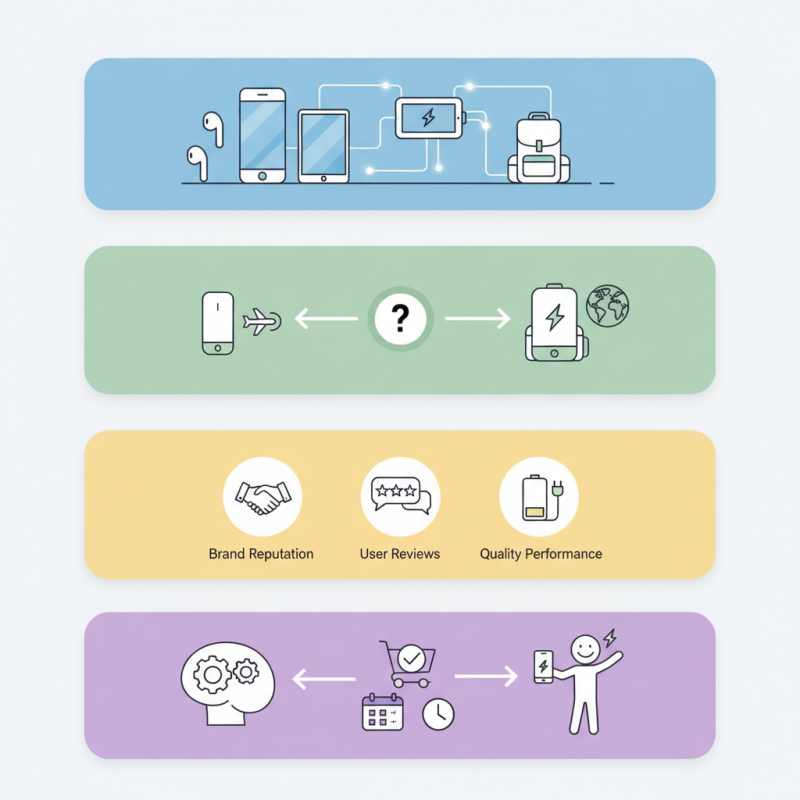
In today's tech-driven world, staying connected is essential. A powerful power bank is a must-have for anyone on the go. It ensures that your devices, whether smartphones or tablets, remain charged throughout the day.
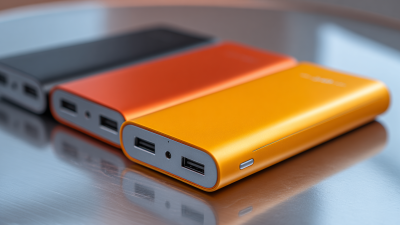
Choosing the best powerful power bank can be overwhelming. There are many options available, each with different capacities and features. Some power banks are sleek and portable, while others pack a hefty charge. It's crucial to find a balance between size and power.
Consider your charging needs and habits. Will you be traveling for hours, or just need a quick boost? A powerful power bank should fit your lifestyle. However, be cautious; not all power banks deliver quality performance. Think about factors like brand reputation and user reviews. Investing time to choose wisely is essential.
Understanding Power Bank Capacity: mAh and Its Importance
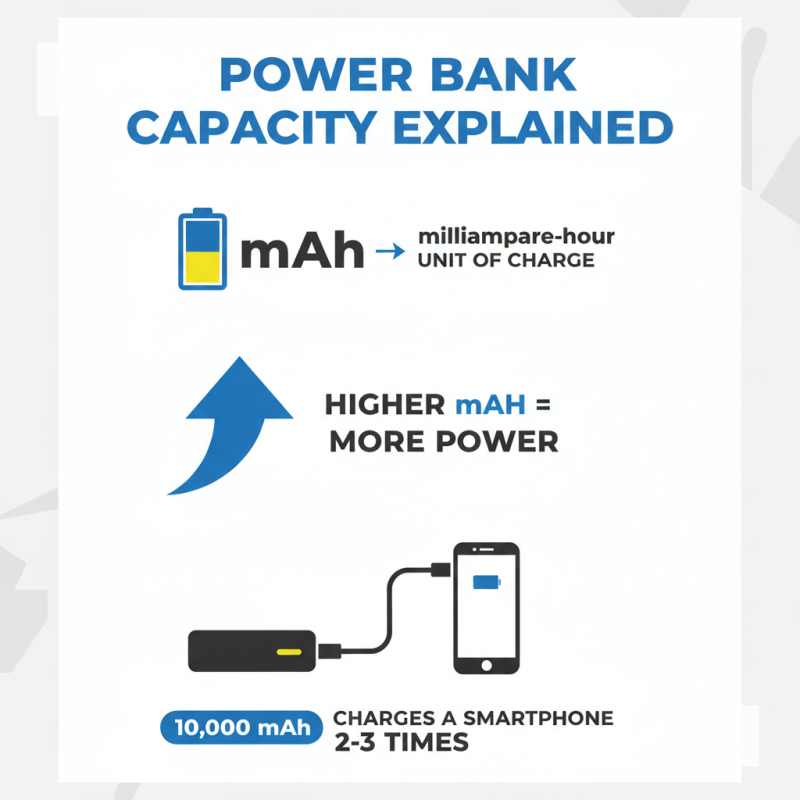
When choosing a power bank, understanding capacity is vital. The term "mAh" stands for milliampere-hour. It indicates how much charge a power bank can hold. Higher mAh ratings usually mean more power. For example, a 10,000 mAh power bank typically charges a smartphone two to three times.
Capacity matters, but it’s not everything. Efficiency plays a role too. Some power banks do not use all their mAh. This can lead to disappointment when your device charges less than expected. Keep in mind that smaller devices require less power. However, charging multiple devices may require a power bank with a higher capacity.
Another factor to consider is the charging speed. Fast charging options can make a difference. A 10,000 mAh power bank might take longer to charge your devices. Yet, a 20,000 mAh power bank could provide numerous charges. Weigh the options carefully. Know your needs and habits. It’s about finding balance, not just numbers.
Identifying Compatibility: Matching Power Banks to Your Devices
When selecting a power bank, compatibility is crucial. Many users overlook this aspect. They may choose a power bank based on capacity alone. However, not all devices require the same charging specifications. A recent report highlighted that 65% of users buy power banks that do not support their devices’ charging speed. This mismatch leads to inefficient charging and potential damage.
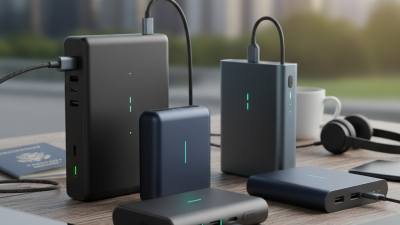
Identifying your device’s requirements truly matters. For instance, smartphones generally need 5V while tablets may require 9V. Some high-end devices demand even higher voltages. A mismatch can lead to heat generation, affecting battery longevity. Understanding these specifics is vital. Many power banks offer multiple output options, but compatibility checks must be a priority.
Moreover, the connectors play a significant role. For example, USB-C is becoming standard. Yet, some older devices still rely on micro-USB. Ignoring this can lead to frustration. An industry survey revealed that around 30% of consumers experience charging issues due to connector mismatches. It's clear that selecting the right power bank requires careful consideration.
How to Choose the Best Powerful Power Bank for Your Devices?
| Power Bank Capacity (mAh) |
Output Ports |
Compatible Devices |
Fast Charging Support |
Weight (grams) |
| 10000 |
1 USB-A, 1 USB-C |
Smartphones, Tablets |
Yes |
200 |
| 20000 |
2 USB-A, 1 Micro-USB |
Smartphones, Tablets, Laptops |
Yes |
400 |
| 50000 |
3 USB-A, 2 USB-C |
Smartphones, Tablets, Cameras, Laptops |
Yes |
1000 |
| 30000 |
2 USB-C, 1 USB-A |
Smartphones, Tablets |
Yes |
600 |
| 15000 |
1 USB-A, 1 USB-C |
Smartphones, Tablets, Smartwatches |
No |
350 |
Exploring Charging Speeds: Understanding Output Wattage
When choosing a power bank, output wattage is essential. The higher the wattage, the faster your devices charge. If you need a quick boost, look for at least 18W. This can charge smartphones and tablets rapidly. Low wattage units could leave you waiting too long, especially in emergencies.
It's also important to consider the number of devices. A power bank with multiple outputs can be handy. However, sharing the wattage among devices can slow down charging speeds. You might find yourself frustrated when one device charges slowly while another occupies most of the power.
Not all situations require high output. Occasionally, lower wattage might be sufficient. Think twice before buying an ultra-high capacity bank if you'll use it mainly for small devices. It could lead to an unused, bulky accessory. Reflect on your needs to find balance in efficiency and portability.
Considerations for Portability: Size and Weight of Power Banks
When choosing a power bank, portability is key. The size and weight of a power bank can significantly impact your daily routine. A compact, lightweight design makes it easier to carry in your bag or pocket. Many users prefer power banks that fit seamlessly into their lifestyle. A heavy or bulky power bank can be cumbersome, especially for those on the go.
Look closely at the dimensions. Some power banks are small enough to fit in the palm of your hand. Others may feel like carrying a brick around. Consider how much you really need. A 10,000 mAh power bank might be ideal for daily use, while a larger capacity might not justify the weight. If you're hiking or traveling, every ounce counts. A pocket-sized alternative could save you the hassle.
Be mindful of your charging needs too. If you often use multiple devices, balance is crucial. A lightweight charger may lack capacity, which leads to repeated charging sessions. Sometimes, sacrificing a bit of weight for extra power can be beneficial. Reflect on how you use your devices and choose wisely. Having the right balance can enhance your experience and convenience.
Portability of Power Banks: Size and Weight Comparison
Evaluating Safety Features: Protection for Your Devices and Batteries
When selecting a power bank, safety features are paramount. A good power bank provides protection against overcharging, short circuits, and overheating. According to recent industry reports, devices that lack these protections are 20% more likely to experience battery failures. This can lead to device damage and safety hazards. Choosing a power bank with multiple safety certifications ensures reliability.
Consider the material and build quality of the power bank. Some cheaper models use low-grade components that could fail under stress. Look for robust designs that meet safety standards. Additionally, pay attention to the charging speed. A power bank that charges devices quickly but does not overheat can be a sign of quality engineering. It is crucial to find a balance between speed and safety.
Tips: Always check for user reviews regarding safety performance. Products with higher ratings often indicate better construction. Don't shy away from digging into product specifications. Sometimes, the details reveal much more than marketing claims. Reflecting on your options may save you from costly mistakes.




 Mr. Leaf