How to Choose the Right Portable Mobile Charger for Your Devices?
In today's fast-paced digital world, a reliable Portable Mobile Charger has become essential. According to Statista, the global power bank market is projected to reach $25 billion by 2026. With an increasing number of devices, consumers face the challenge of keeping them charged on the go. A Portable Mobile Charger ensures that your smartphone, tablet, or smartwatch remains powered.
However, choosing the right charger can be overwhelming. With countless options available, it’s easy to make mistakes. Some chargers do not provide enough power, while others lack safety features. Finding a balance between capacity, size, and compatibility is crucial. The average user may overlook details like charging speed or the type of ports available.
As you evaluate options, it’s important to recognize your specific needs. Factors such as battery capacity, design, and brand reputation matter. A Portable Mobile Charger is not just a convenience; it’s a necessity. Making an informed decision today will save you frustrations tomorrow.
Understanding Your Device's Power Requirements
Understanding your device's power requirements is crucial when selecting a portable mobile charger. Different devices have varying battery capacities. For instance, a smartphone typically needs around 3000 to 4000 mAh to charge fully. On the other hand, tablets and laptops require significantly more power. It's vital to know your device's specifications before making a purchase.
Pay attention to the wattage as well. Some chargers output only 5 watts, which might take ages to charge a larger device. It’s frustrating to realize your charger is underpowered. Additionally, consider whether your device supports fast charging. Fast charging requires certain compatibility that not all chargers possess. It can be disappointing to buy a new charger, only to find it doesn’t deliver the speed you expected.
Lastly, reflect on your usage patterns. Do you often travel or use your device heavily throughout the day? If so, investing in a charger with higher capacity makes sense. Yet, it's easy to get caught up in features and overlook practical needs. Take time to assess what you really need. This could save you from making unnecessary purchases that don’t fit your lifestyle.
Types of Portable Mobile Chargers Available
When choosing a portable mobile charger, it's essential to know the types available. The most common type is a power bank. These come in various capacities. A higher capacity means more charge but can be bulkier.
Another option is solar chargers. They utilize sunlight for power. While eco-friendly, their efficiency greatly depends on weather conditions. In cloudy areas, they might not be reliable. Still, they can be lifesavers during outdoor adventures.
Tips for selection: Check the output power. It should match your device's needs. Also, consider the number of ports. Multiple ports allow charging several devices simultaneously. Look for lightweight designs if portability is a priority. Remember, a heavier charger can be cumbersome.
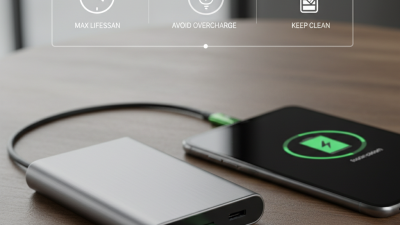
Don't overlook safety features. Overcharge protection is crucial. It prevents your devices from getting damaged. Regular maintenance of your charger extends its life. Keeping it clean and storing it properly can prevent issues down the line. Knowing these aspects will help you choose wisely.
Key Features to Consider in a Portable Charger
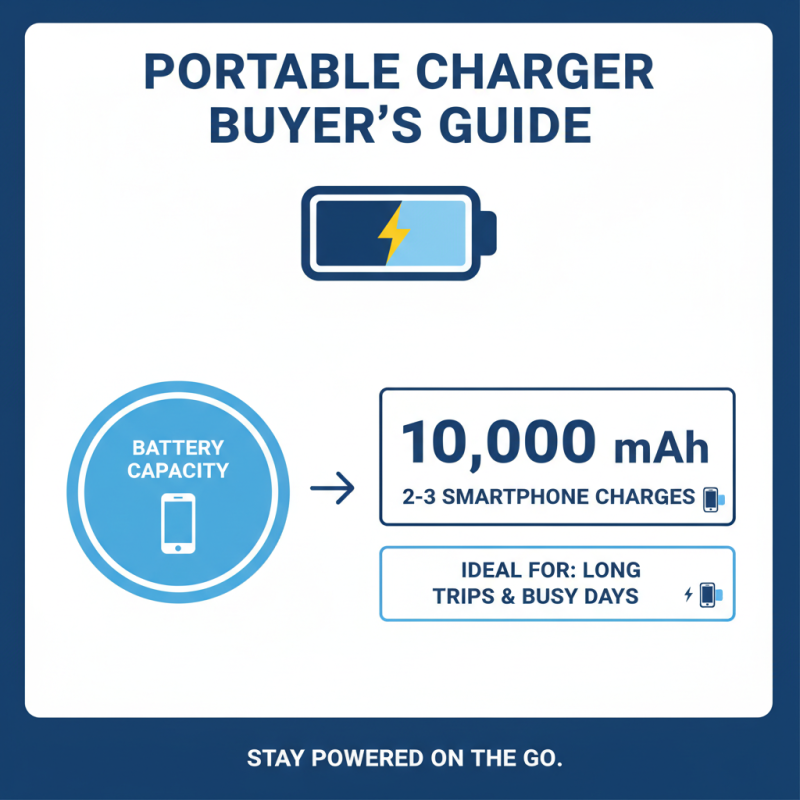
When choosing a portable mobile charger, several key features stand out. Battery capacity is essential. It determines how many times you can charge your device. A charger with 10,000 mAh can usually charge a smartphone two to three times. This is important for long trips or busy days.
Another feature to consider is size and weight. A lightweight charger is easier to carry. Compact models can fit in your pocket. However, smaller chargers often have less capacity. Finding a balance between portability and power is crucial. Look for chargers that also offer multiple ports. This allows you to charge different devices at once, which is very convenient.
Charging speed is another factor. Some chargers support fast charging, reducing wait time. However, not all devices support this feature. It’s worth checking compatibility before making a choice. Additionally, ensure the charger has safety features. Overheating and short-circuit protection can prevent device damage.
Don’t forget to read user reviews. They can highlight issues not mentioned in product descriptions. Some chargers may seem perfect but fail in real-world use. Reflect on what you truly need to guide your decision.
Portability and Design Factors When Choosing a Charger
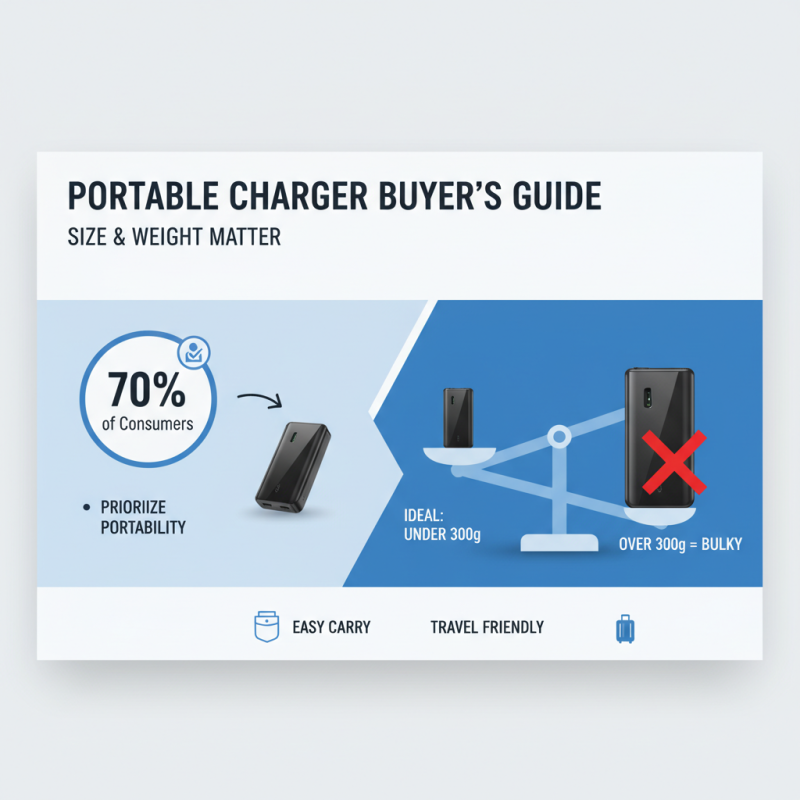
When selecting a portable mobile charger, portability and design are crucial factors. A recent industry report indicated that 70% of consumers prioritize size and weight in their purchasing decisions. A lightweight design makes it easy to carry in a pocket or bag. Ideally, a power bank should weigh under 300 grams. Chargers that exceed this may feel cumbersome during travel.
Design attributes also play a significant role. Users often seek chargers with a sleek and compact profile. Some prefer matte finishes or vibrant colors to reflect their personal style. Moreover, a good grip can prevent slips. Compatibility with various devices is essential as well. According to surveys, 65% of users appreciate chargers with multiple output ports. This versatility allows charging several devices simultaneously.
However, not all portable chargers perform well. Many people report receiving chargers that don’t hold their advertised capacity. A notable 30% of consumers found their charger drained quickly. Exaggerated specifications can lead to disappointment. Hence, it’s prudent to check for reliable reviews and durability ratings before making a purchase.
Budget Considerations for Buying a Mobile Charger
When looking for a portable mobile charger, budget is a vital consideration. A wide price range exists for chargers based on features, capacity, and materials. It's easy to be tempted by lower-priced options, but they often come with drawbacks. These cheaper models may not deliver enough power or could fail quickly.
Investing a bit more can yield better performance. A reasonable price for a solid charger typically starts around twenty to thirty dollars. This price often secures essential features like fast charging, multiple ports, and good build quality. However, spending excessively doesn’t always guarantee quality. Often, higher-priced products only offer branding without genuine advantages.
Take time to evaluate your needs. How often do you travel? What devices will you charge? Sometimes, a basic model suffices for light users. Reflect on how you use your devices. A more powerful charger isn’t essential for everyone. Finding the right balance between price and features can be frustrating but is key to a satisfying purchase.
Portable Mobile Charger Capacity vs. Price





 Mr. Leaf