How to Choose the Right Mobile Car Battery Charger for Your Vehicle?
When it comes to maintaining your vehicle, choosing the right Mobile Car Battery Charger is crucial. These chargers have gained significant importance. According to a recent report by the Specialty Equipment Market Association, the market for automotive accessories, including battery chargers, is projected to grow annually by 4.5% through 2026. This growth reflects the increasing reliance on technology and the need for reliable battery solutions.
Selecting the proper charger can be challenging. There are many options available, each with unique features. For instance, a study from the International Energy Agency found that over 60% of vehicle breakdowns are due to battery issues. This highlights how essential it is to understand your needs and the specifications of your car's battery. Using a Mobile Car Battery Charger that fits your vehicle can reduce the risk of failures and enhance performance.
However, not all chargers are created equal. Some may lack the necessary safety features or may not be compatible with your vehicle type. Therefore, it's essential to research and consider factors like battery type, amperage, and charging time. A knowledgeable choice can prevent potential damage and ensure you have a reliable power source when needed.
Understanding Your Vehicle's Battery Specifications
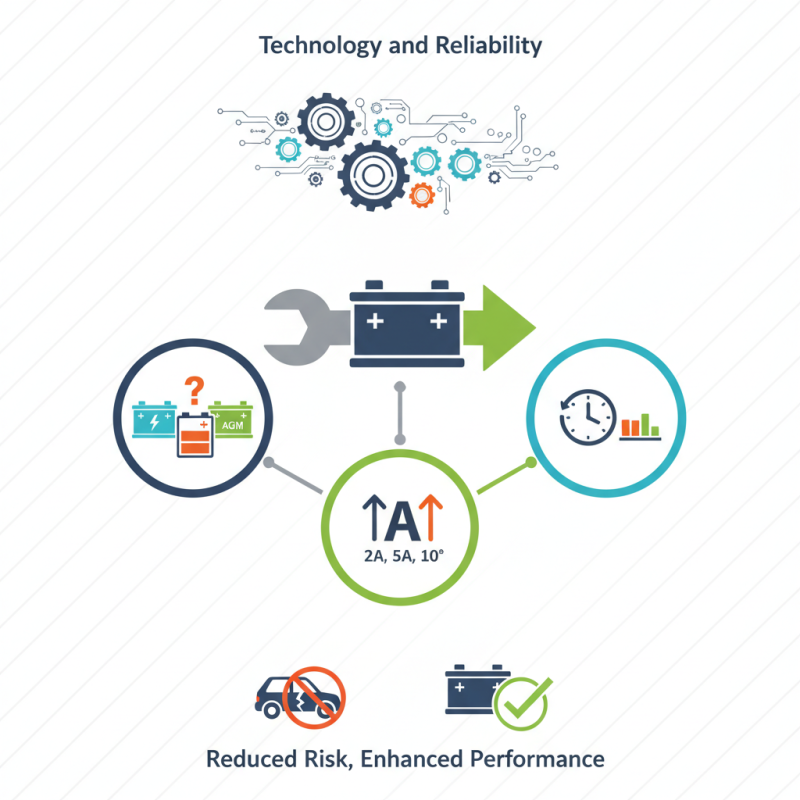
When choosing a mobile car battery charger, understanding your vehicle's battery specifications is crucial. A typical lead-acid car battery has a voltage of 12 volts. However, some electric or hybrid vehicles may require chargers for 48 volts or more. According to the Battery Council International, maintaining the right voltage is essential for effective charging.
Knowing the ampere rating of your battery can also guide your choice. Most automotive batteries range from 40 to 100 ampere-hours (Ah). Using a charger with too high an output can cause overheating, while a charger with too low an output will take too long to charge. Ensure the charger is compatible with the specific battery type, whether it's lead-acid, AGM, or lithium-ion, to avoid any damage.
**Tips:** Always check your vehicle's manual for battery specifications. Ensure that the charger features intuitive indicators for charging status and safety features. Remember, investing in a higher-quality charger can save you stress and money on battery replacements. Rechargeable batteries degrade after several cycles; thus, your charger should provide smart charging options to prolong battery life.
How to Choose the Right Mobile Car Battery Charger for Your Vehicle?
| Battery Type |
Voltage |
Amp Rating |
Charger Type |
Features |
| Lead-Acid |
12V |
10A |
Smart Charger |
Automatic shut-off, LED indicators |
| AGM |
12V |
5A |
Trickle Charger |
Maintenance-free, over-voltage protection |
| Lithium-Ion |
12V |
15A |
Fast Charger |
Compact design, lightweight, fast charge |
| Gel Cell |
12V |
8A |
Universal Charger |
Reverse polarity protection, waterproof |
| Flooded Lead-Acid |
12V |
6A |
Straightforward Charger |
Cost-effective, simple operation |
Types of Mobile Car Battery Chargers Available
When choosing a mobile car battery charger, understanding the different types available can significantly impact your decision. There are typically two categories: trickle chargers and jump starters.
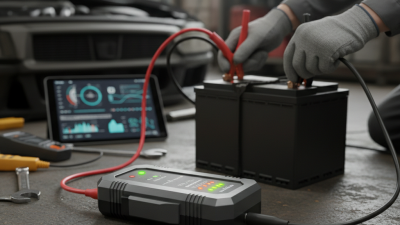
Trickle chargers provide a slow charge over time. They are ideal for long-term use and maintaining battery health. However, they can be less effective in emergencies. You'll need patience with this option.
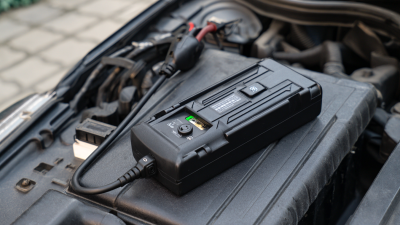
Jump starters, on the other hand, offer a quick solution when your vehicle won't start. These chargers store power in a compact unit. They deliver a powerful surge to the battery. This type is more convenient for immediate use. Many models now include features like USB ports to charge devices.
Consider the specific needs of your vehicle. Some chargers are designed for standard cars, while others cater to larger vehicles. Correlate the charger's output with your battery's requirements. Don't overlook essential factors such as portability and weight. A charger can be lightweight yet powerful. This can make a real difference in an emergency. Ultimately, ensure that the charger aligns with your regular driving habits. Reflect on whether quick fixes or gradual charging makes more sense for you.
Key Features to Consider When Choosing a Charger
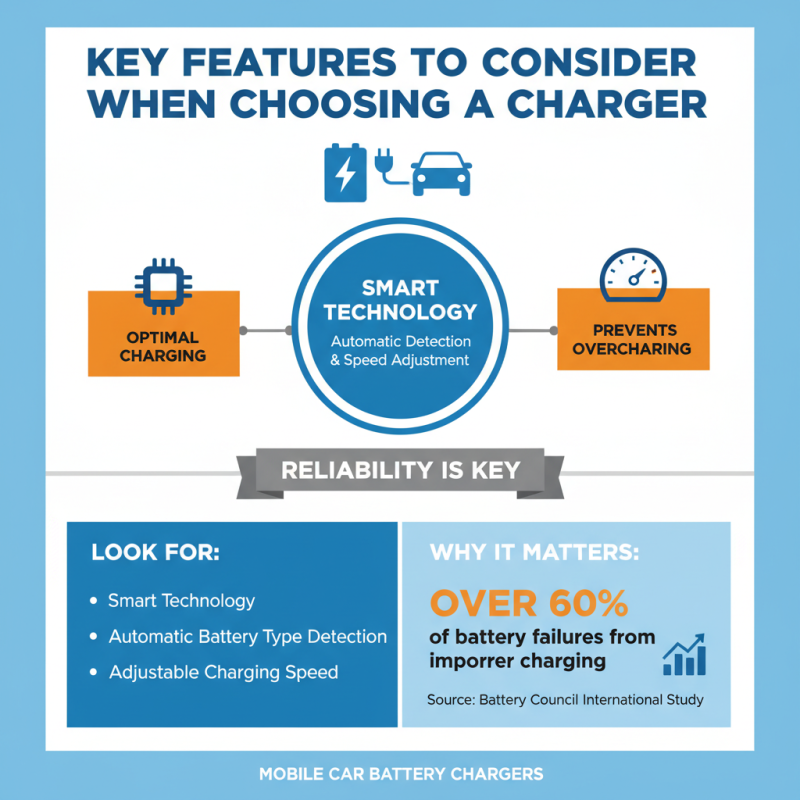
When choosing a mobile car battery charger, focus on key features that ensure reliability. A study by the Battery Council International highlights that over 60% of battery failures stem from improper charging. Look for chargers with smart technology, which can automatically detect battery type and adjust charging speed.
Portability is another critical factor. A compact, lightweight charger easily fits in your trunk or glove compartment. This is crucial in emergencies. Also, consider the charger’s compatibility with various battery types, such as AGM or lithium-ion. Some models support multiple voltages, making them versatile.
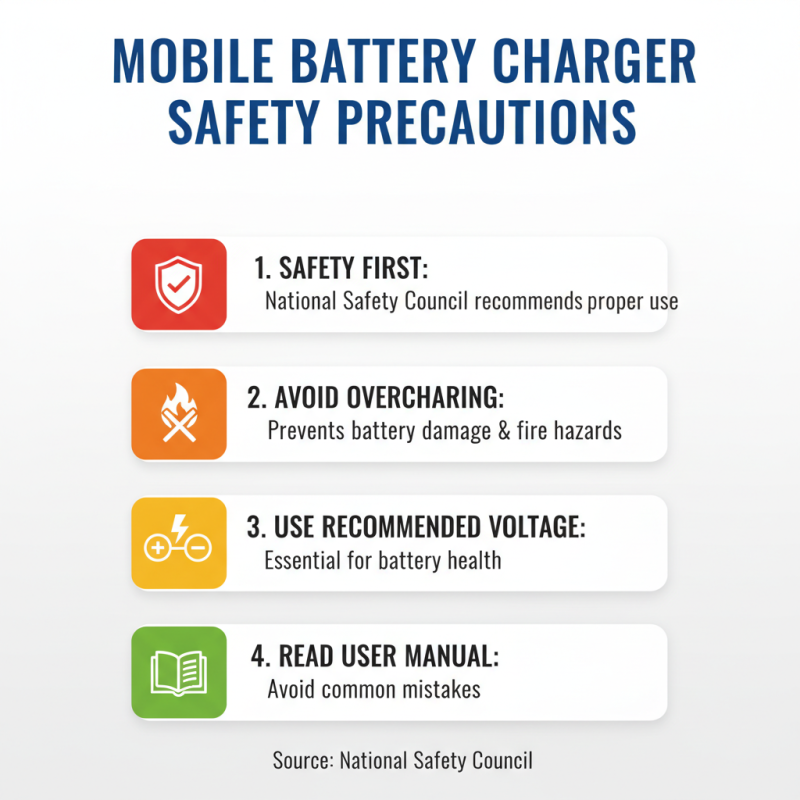
Tips to keep in mind: Always check the amp rating. A charger with higher amps can charge batteries faster. However, too much current may damage sensitive batteries. Regularly inspect your charger for wear and tear. Maintenance helps avoid unexpected breakdowns. Choose a model with safety features like overcharge protection. This ensures your battery lasts longer.
Maintenance Tips for Your Mobile Car Battery Charger
Maintaining your mobile car battery charger is crucial for reliable performance. Regular inspection is essential. Look for frayed cords or loose connections. A damaged charger can affect charging efficiency. Depending on the model, a research study indicated that nearly 30% of users face issues due to wear and tear.
Keep the charger clean. Dust and debris can interfere with connections. Use a soft cloth to wipe the surfaces. Avoid harsh chemicals; they can cause damage. A well-maintained charger is often 40% more effective in delivering power.
Storing the charger properly extends its lifespan. A cool, dry place is ideal. Excess heat can degrade battery life. In one survey, over 20% of respondents reported failures due to improper storage. Consider checking compatibility regularly. Some users find that newer vehicles require updated charging technology to optimize performance.
Battery Charger Capacity vs. Charger Type
This chart illustrates the charging capacities of various types of mobile car battery chargers. A standard charger typically offers around 10 Ah, while a fast charger can provide up to 30 Ah. Smart chargers usually deliver about 25 Ah, and solar chargers have a capacity of around 15 Ah. Understanding these capacities can help you choose the right charger for your vehicle maintenance needs.





 Mr. Leaf