How to Choose the Best Mobile Power Inverter for Your Outdoor Adventures
When embarking on outdoor adventures, having a reliable power source is crucial for keeping your devices charged and your experiences enjoyable. According to a report by MarketsandMarkets, the mobile power inverter market is projected to reach $4.3 billion by 2025, growing at a CAGR of 6.2%. This surge indicates the increasing reliance on mobile power solutions in our outdoor activities, from camping and road trips to tailgating events.
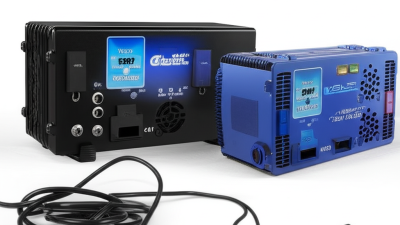
A Mobile Power Inverter not only provides the flexibility to power electronics, but also enhances the convenience of modern outdoor experiences.
With the variety of options available, choosing the best mobile power inverter involves understanding your specific needs, power requirements, and the features that will support your adventures.
In this guide, we will explore essential tips and considerations to help you select the optimal mobile power inverter for your next venture into the great outdoors.
Understanding the Basics of Mobile Power Inverters and Their Uses
Understanding mobile power inverters is essential for anyone planning outdoor adventures, as they provide the necessary electrical power to charge devices and run appliances away from traditional power sources. At their core, mobile power inverters convert DC power from sources like car batteries or portable power stations into AC power, which is compatible with most household electronics. This ability allows adventurers to keep their devices charged, whether they're camping, tailgating, or enjoying a day at the beach.
When selecting a mobile power inverter, consider the wattage you’ll need based on the devices you plan to use. It's important to ensure that the inverter can handle the total wattage of your equipment to avoid overloads. For instance, if you're looking to power essential devices such as lights or cooking appliances, an inverter with dual-fuel capabilities is often recommended, as it can be more efficient and versatile. Additionally, look for models that are compact and lightweight for easy transport, making them suitable companions for any outdoor excursion.
Key Features to Look for in a Reliable Mobile Power Inverter
When selecting a mobile power inverter for outdoor adventures, several key features should guide your choice. First and foremost, consider the power output. The inverter's wattage must accommodate all your devices, from phones to larger items like laptops or small refrigerators. A unit with at least 300 watts is often sufficient for light use, but for frequent or heavy-duty applications, look for inverters that offer 1,000 watts or more.
Another crucial factor is the type of outlets provided. Many inverters come with a mix of AC and USB outlets, enabling you to charge multiple devices at once. It's also beneficial to choose an inverter with built-in safety features such as surge protection, short-circuit prevention, and thermal shutdown. Portability is also essential; a lightweight and compact inverter will make transporting it easier during hikes or road trips. Also, consider the inverter's durability, especially if you'll be using it in rugged environments. Look for units that are weather-resistant or have a durable casing to withstand the rigors of outdoor use, ensuring reliability on your adventures.
Key Features of Mobile Power Inverters for Outdoor Adventures
Comparing Different Types of Mobile Power Inverters for Outdoor Use
When selecting a mobile power inverter for outdoor adventures, understanding the different types available is crucial. Generally, there are three main types of inverters:
modified sine wave,
pure sine wave, and
lightweight compact options.
Modified sine wave inverters are often more affordable and can power many devices, but they may not be suitable for sensitive electronics due to potential power fluctuations. They work well for less critical applications, such as
camping lights or small fans.
On the other hand,
pure sine wave inverters are ideal for outdoor activities that require powering sensitive equipment like laptops or medical devices. These inverters produce a smooth, consistent power output akin to what you find in standard wall outlets, ensuring that your gadgets function properly and have a longer lifespan. Lastly,
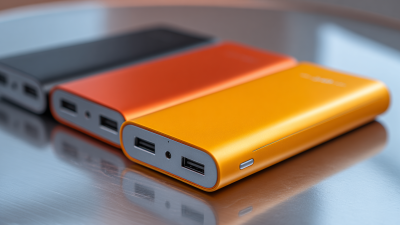
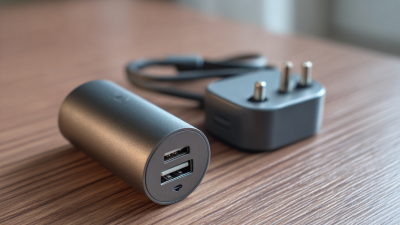
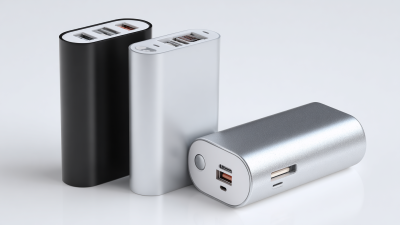
compact and lightweight inverters are perfect for those looking to save space and minimize weight, making them a great choice for backpackers. By comparing these types, you can select the inverter that best suits your outdoor energy needs, ensuring a powered and enjoyable adventure.
Essential Safety Tips When Using Mobile Power Inverters Outdoors
When using mobile power inverters outdoors, safety should always be your top priority. First, ensure that your inverter is in good working condition before you start your adventure. Check for any damage to the cables, connectors, and the unit itself. It's crucial to use an inverter with the appropriate power rating for your devices to prevent overheating and potential electrical failures. Always refer to the manufacturer’s guidelines for maximum wattage and recommended usage to ensure optimal performance.
Additionally, pay attention to the environment in which you are operating your inverter. Place it in a well-ventilated area to avoid overheating, and keep it away from water sources to reduce the risk of electric shock. Using a fuse can further enhance safety by protecting against power surges. Lastly, familiarize yourself with basic electrical safety protocols, such as not overloading the inverter and turning it off when not in use. By adhering to these essential safety tips, you can enjoy your outdoor adventures while minimizing the risks associated with mobile power inverters.
Maximizing Power Efficiency: How to Choose the Right Inverter Size
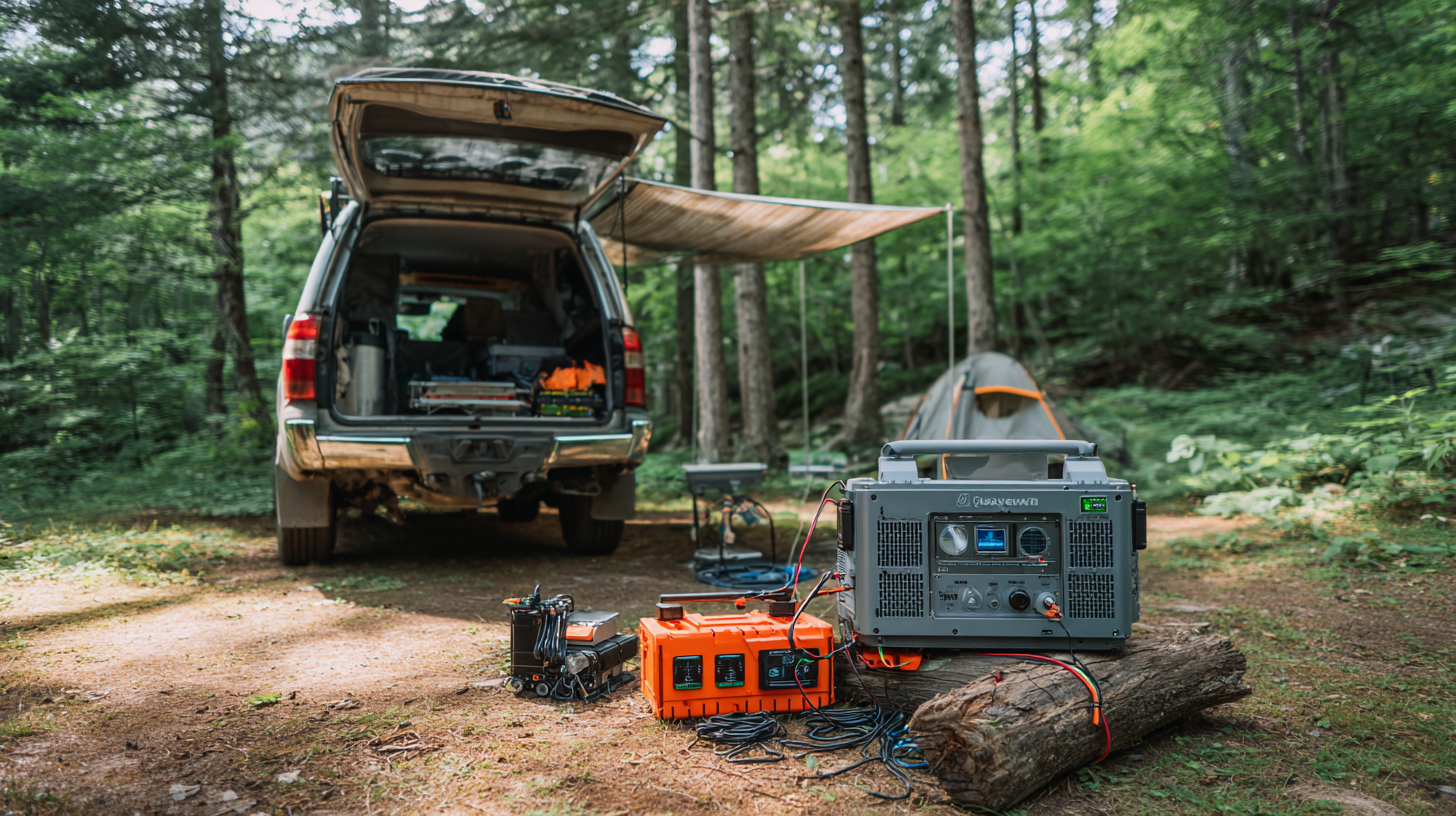
When embarking on outdoor adventures, selecting the right mobile power inverter is crucial for maximizing power efficiency. One of the first steps in this process is determining the appropriate inverter size. The size of the inverter you need largely depends on the power requirements of the devices you intend to use. To determine this, calculate the total wattage needed by all the appliances you plan to run simultaneously. It’s important to consider both the starting (surge) wattage and the running wattage, as some devices, like power tools, require significantly more power to start.
Tips: Start by listing all devices you want to power, noting their wattage ratings. This will give you a clear estimate of your inverter size needs. For instance, if your devices total 600 watts running power and 800 watts starting power, aiming for at least a 1000-watt inverter would provide a safe buffer.
Furthermore, look for inverters that feature built-in safety mechanisms, such as overload protection and thermal shutdown. This ensures the safety of both your devices and the inverter itself during use. Investing in an inverter that is slightly larger than what you calculated can also be beneficial, as it allows for any additional devices you might want to power during your adventures.



 Mr. Leaf