How to Choose the Best Wireless Power Bank for Your Needs?
Choosing the right Wireless Power Bank can be daunting. With so many options available, understanding your needs is crucial. According to Dr. Emily Chen, an expert in portable charging technology, "A Wireless Power Bank should match your lifestyle and charging habits." This insight highlights that one size does not fit all in the world of mobile charging.
Many factors come into play. The capacity, weight, and design of a Wireless Power Bank are significant. For someone who travels frequently, a lightweight Power Bank with a higher capacity would be ideal. Conversely, if you're using it at home or in the office, portability may not be as critical. Reflecting on these points can help you find the perfect match.
However, not every Wireless Power Bank gets it right. Some might fail during crucial moments. Users often report issues like overheating or slow charging. These factors emphasize the importance of research and informed choices. Ultimately, your selected Power Bank should align with both your specific charging needs and lifestyle.
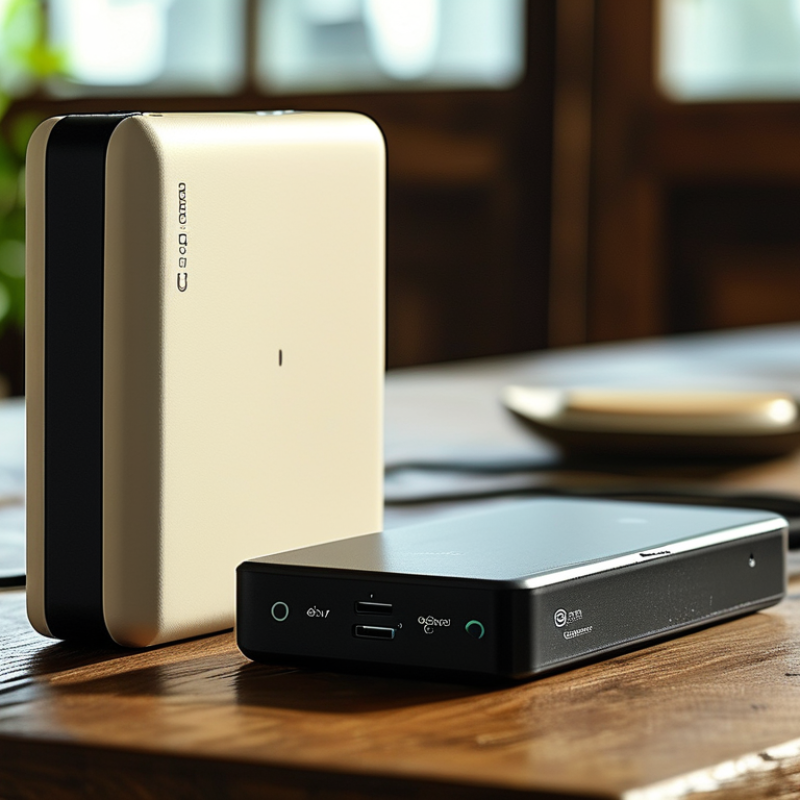
Understanding Your Device's Power Requirements
Choosing the right wireless power bank starts with understanding your device's power needs. Each device has specific power requirements, typically measured in milliampere-hours (mAh). For instance, a smartphone may require around 2,500 to 3,500 mAh for a full charge. Tablets and larger devices can need over 10,000 mAh. According to a report by Statista, over 87% of consumers prioritize power capacity when selecting a power bank. Knowing how much power your device needs is crucial for making the best choice.
It's also important to consider power bank output. This is measured in volts and amps. Most modern gadgets charge efficiently with an output of 5V/1A, but some fast chargers operate at 5V/2A or higher. Users often assume any power bank will suffice, but mismatched output can lead to slower charging. The lack of a universal standard can be frustrating. In a survey, 65% of users reported dissatisfaction due to compatibility issues. This highlights the need for awareness of your device’s charging specifications before making a purchase.
Lastly, factor in charging speed. Some power banks include fast-charging capabilities, which benefit devices that support them. User experience varies, as not all power banks deliver advertised speeds. In fact, a study by the Consumer Electronics Association found that nearly 30% of power banks do not meet claimed performance metrics. This discrepancy urges consumers to research and compare options diligently. Understanding these power dynamics will help you choose a reliable wireless power bank.
Power Bank Capacity Comparison
Exploring Different Types of Wireless Power Banks
When exploring different types of wireless power banks, it's essential to understand the varied options available. There are basic models that offer standard charging capabilities. These are often compact and lightweight. They provide a quick boost for your devices but may lack additional features. Ideal for emergency situations, they won't always deliver fast results.
On the other hand, advanced models come with multiple ports and higher capacities. These power banks are designed for heavy users or those with multiple devices. Some may even support fast charging, allowing you to recharge your devices swiftly. Additionally, features like LED indicators and built-in cables enhance usability. However, their larger size can be cumbersome to carry.
Another option is solar-powered power banks, which harness sunlight for charging. They can be useful for outdoor activities, but their efficiency may vary. In less sunny conditions, they might struggle to charge devices fully. Each type serves distinct needs, so evaluating your lifestyle is crucial. Think about what features matter most to you. Balancing convenience with functionality will lead to a more satisfying purchase.
Evaluating Battery Capacity and Charging Speed
When selecting a wireless power bank, battery capacity and charging speed are crucial factors. Battery capacity is measured in milliampere-hours (mAh). A higher capacity means more stored energy. For example, a 10,000mAh power bank can recharge a smartphone around two to three times. However, larger capacity also adds weight. It’s important to find a balance between portability and power.
Charging speed is another vital aspect. This is often indicated by output power in watts (W). Fast charging can significantly reduce downtime, allowing devices to recharge rapidly. Not all devices support high-speed charging. Check compatibility before making a choice. A power bank’s charging speed may also depend on the cables used. Low-quality cables can slow down the process.
Choosing the right power bank may feel overwhelming. Consider your usage patterns. Do you frequently travel or only need it for short trips? Evaluate your devices and their charging needs. Not every situation requires the highest capacity or charging speed. Reflect on your personal needs and adjust your expectations accordingly. If you often forget to charge, a higher-capacity option might be better.
Considering Size and Portability Features
When choosing a wireless power bank, size and portability are crucial factors. A compact design ensures it fits easily into bags or pockets. Lightweight options make it ideal for travel or daily commutes. Evaluate how much battery capacity you actually need. Sometimes less is more, especially if you prioritize ease of carrying.
Also, consider the shape of the power bank. A slim profile can slide into tight spaces, while a bulkier design may weigh you down. If you frequently travel, a portable charger with a hook or strap can be a game changer. You might think you need a robust design, but simpler options often suffice.
Remember, a bigger size doesn't always equal better performance. Test different models to find one that suits your lifestyle. Portability should not compromise the charging power. Balancing these needs is essential. Reflecting on your daily habits can help you make an informed choice.
How to Choose the Best Wireless Power Bank for Your Needs? - Considering Size and Portability Features
| Feature |
Value |
| Capacity |
10000 mAh |
| Size (Dimensions) |
5.3 x 2.7 x 0.5 inches |
| Weight |
0.5 lbs |
| Charging Ports |
2 USB Type-A, 1 USB Type-C |
| Input/Output Power |
5V/2A Input, 5V/2.1A Output |
| Wireless Charging |
Yes, up to 10W |
| LED Indicators |
Yes |
| Price Range |
$20 - $40 |
Reviewing Safety Features and Brand Reputation
When selecting a wireless power bank, safety features should take priority. Look for models equipped with overcharge protection. This feature prevents battery damage and extends the life of your devices. Another crucial aspect is short circuit protection. A power bank that easily fails in this regard can harm your electronics.
Brand reputation plays a significant role in ensuring quality and reliability. A well-regarded manufacturer provides assurance that rigorous standards were followed during production. Customer reviews can reflect real-world experiences. Poor feedback regarding safety concerns should be a red flag. While many brands may offer sleek designs, the focus must remain on functionality and safety.
It can be tempting to go for the trendiest option on the market. However, diving deeper into safety certifications can shed light on a brand's commitment to quality. Some models may look appealing, yet lack essential safety measures. Researching potential products can save you from regrets later on. Always prioritize reputable brands with proven safety records.




 Mr. Leaf